2025 AI Smart Manufacturing Technical Seminar— Accelerating the Industry’s Intelligent Transformation
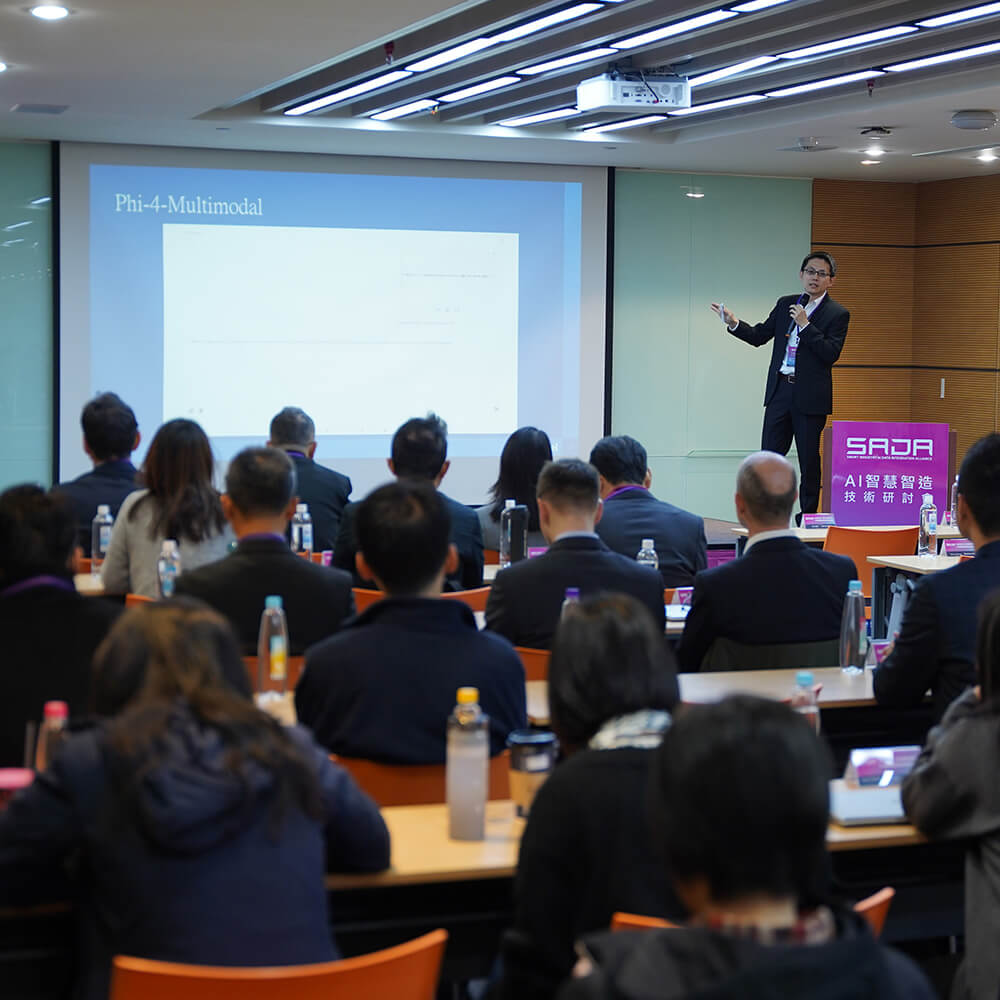
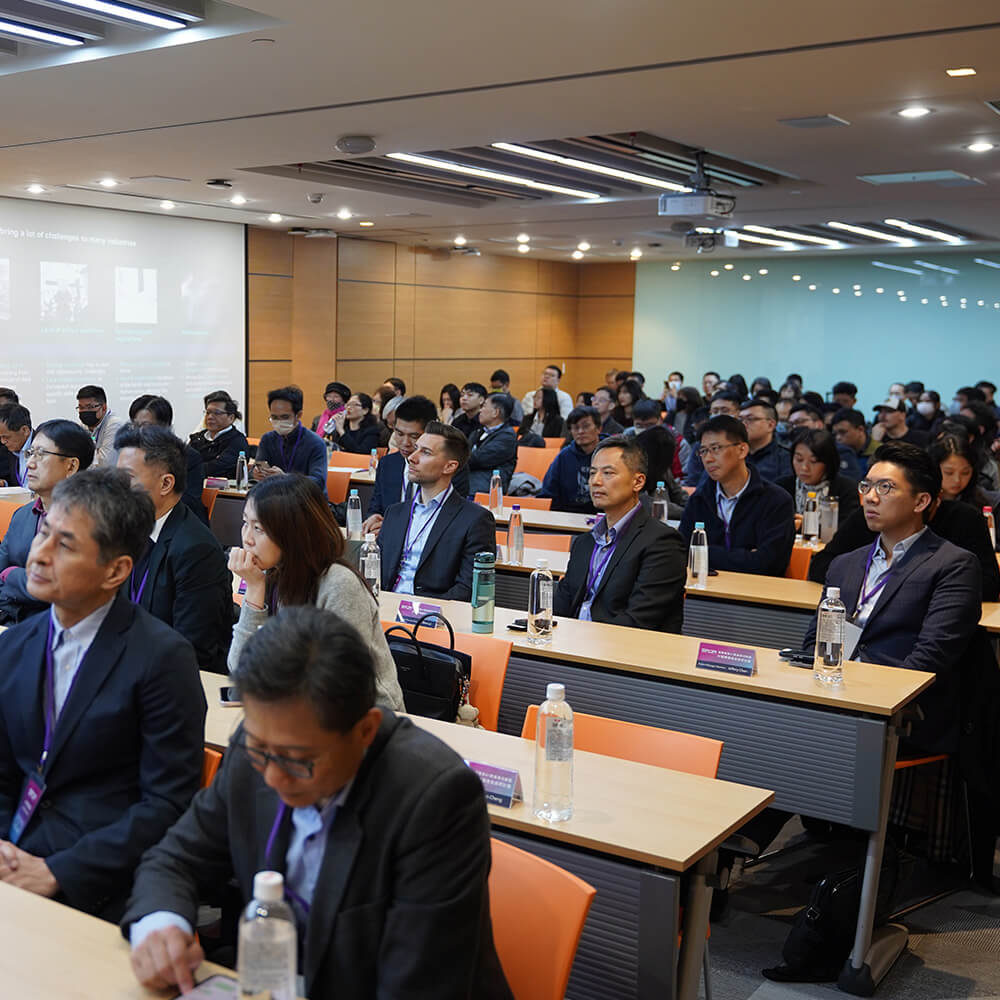
2025 AI Smart Manufacturing Technical Seminar concluded successfully, bringing together leaders, experts, and innovators from across the manufacturing and technology sectors to exchange insights on cutting-edge developments and future trends in intelligent production.
Held on March 19 at TaiNEX 2 (Taipei Nangang Exhibition Center, Hall 2), the event was co-organized by the Taipei Computer Association (TCA) and Smart Manufacturing AI Data Application Alliance (SADA). Centered on the theme “AI Smart Manufacturing Technical” the forum focused on key technologies and challenges in industrial digital transformation. Industry leaders shared their latest insights, practical experiences, and innovative solutions for advancing smart manufacturing.
Industry Leaders Gather to Explore the Future of Smart Manufacturin
The seminar featured a lineup of distinguished speakers, including Alex Cheng, Director of business consumption team at Intel; Christine Herbst-Kubitz, General Manager of Siemens Taiwan; Yamada Yusaku, General Manager of FANUC Taiwan; James Lee, Vice President of FarEasTone-FETnet; and Rock Lee, Chairman of Orisol Taiwan Ltd.
These industry leaders offered forward-looking perspectives on the application and development of smart manufacturing technologies, providing attendees with valuable insights and inspiration for navigating the next phase of industrial innovation.
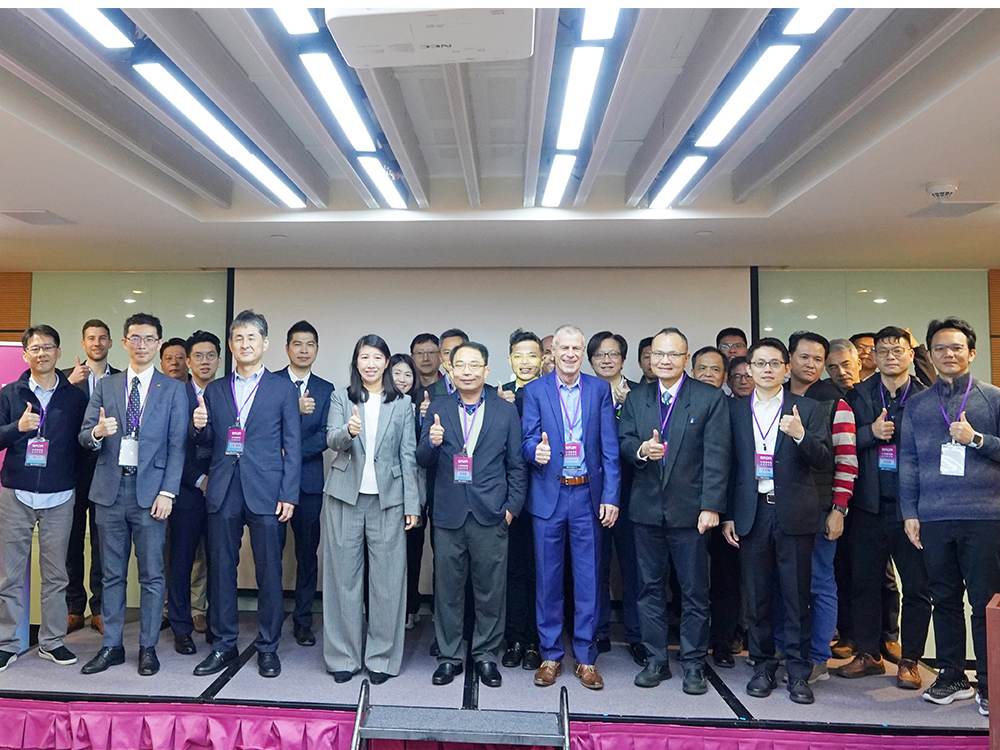
Exploring AI Applications and the Future of Manufacturing
As artificial intelligence continues to transform the global manufacturing landscape, this international forum provided a comprehensive agenda that covered topics from cutting-edge AI technologies to practical industrial applications.
The sessions promoted cross-sector collaboration and offered participants a deeper understanding of how AI can drive digital transformation across manufacturing ecosystems.
Intel introduced its latest Enterprise Edge AI Platform, exploring real-world use cases of edge AI in manufacturing. The presentation highlighted how to optimize retrieval-augmented generation (RAG), AI agents, and large language models (LLMs) ranging from 30B to 671B parameters, enabling breakthroughs in precision and automation. The platform integrates Intel’s latest hardware — including Core Ultra processors, GPUs, and Xeon CPUs — and supports leading deep learning frameworks such as OpenVINO and PyTorch, delivering robust performance for AI-driven industrial applications.
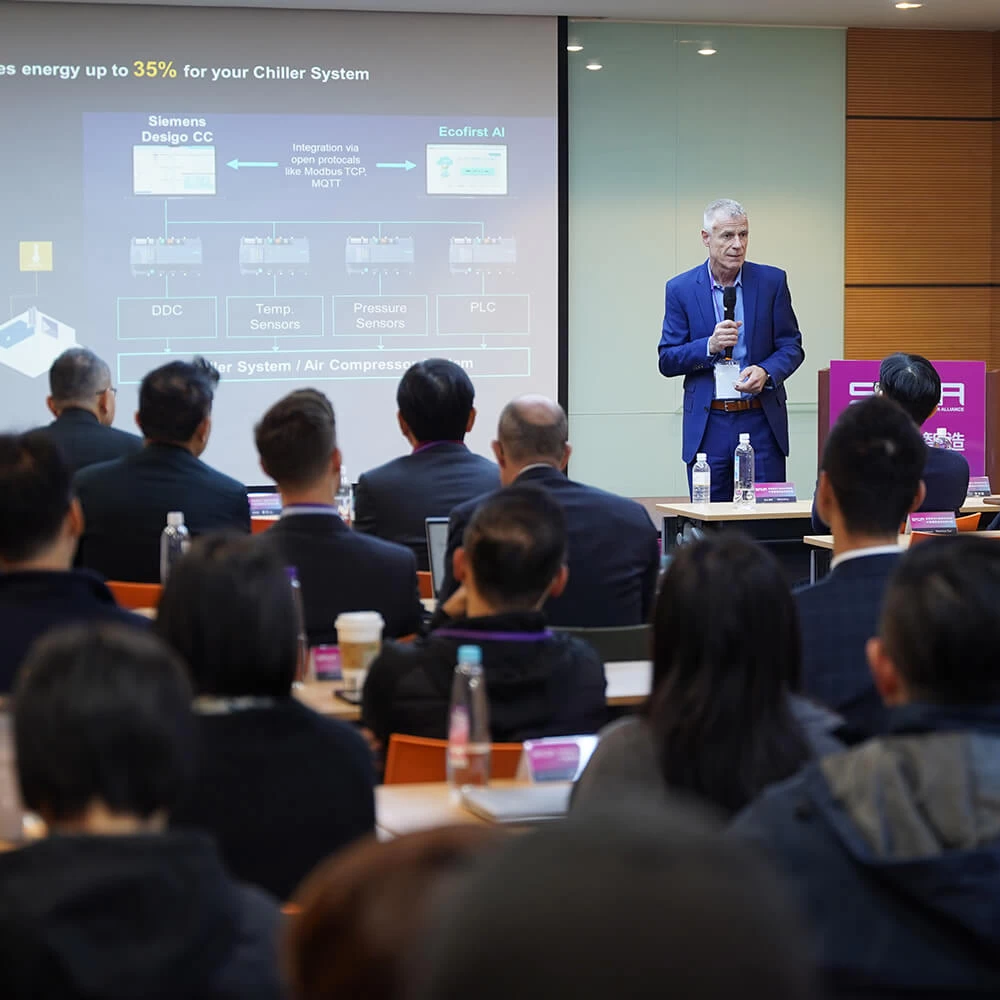
Siemens emphad the importance of cybersecurity in the age of connected manufacturing. The company introduced its OT (Operational Technology) security framework, designed to help enterprises comply with evolving regulations and defend against cyber threats. Siemens highlighted that as AI adoption grows, ensuring secure smart manufacturing environments will become an essential challenge for enterprises.
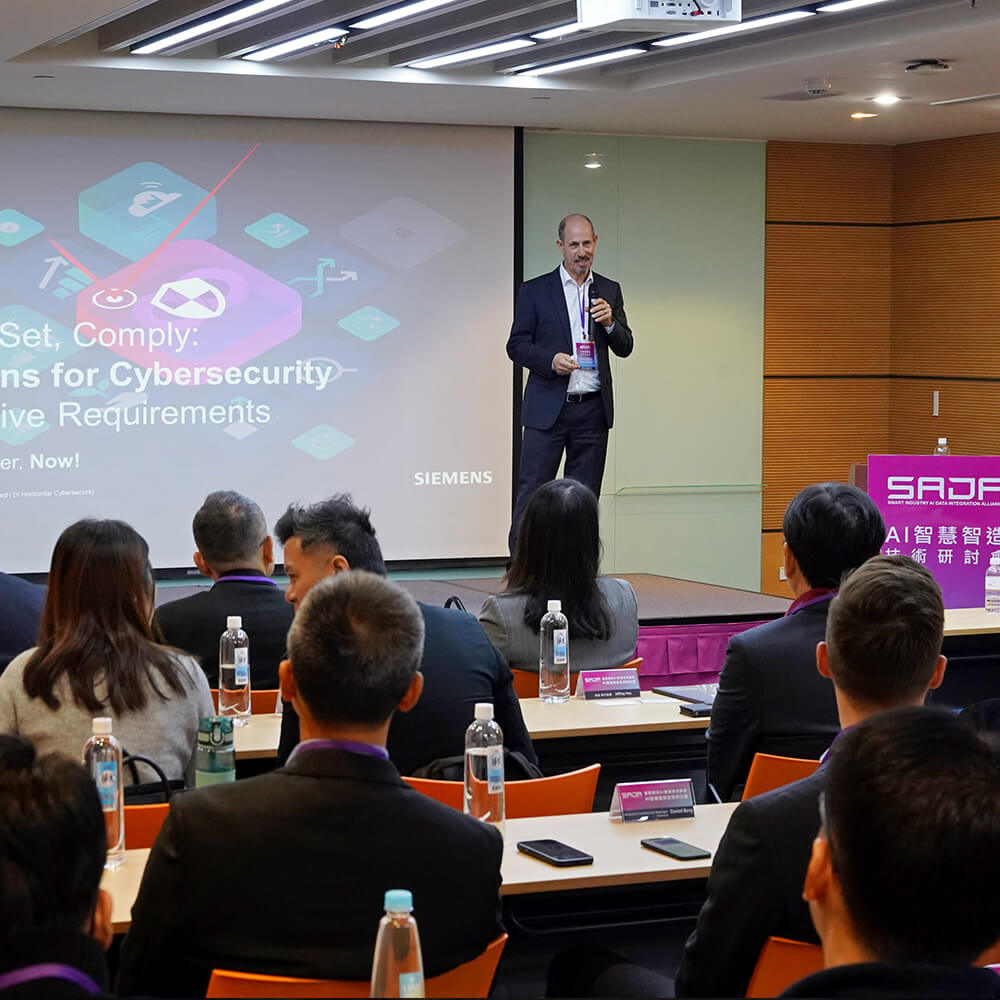
Uwe Häberer, Senior Consultant at SADA, discussed how AI can address the growing complexity and customization in footwear manufacturing. By leveraging big data and advanced algorithms, AI can optimize supply chain management, energy consumption, quality control, and equipment performance, leading to greater productivity and higher product quality.
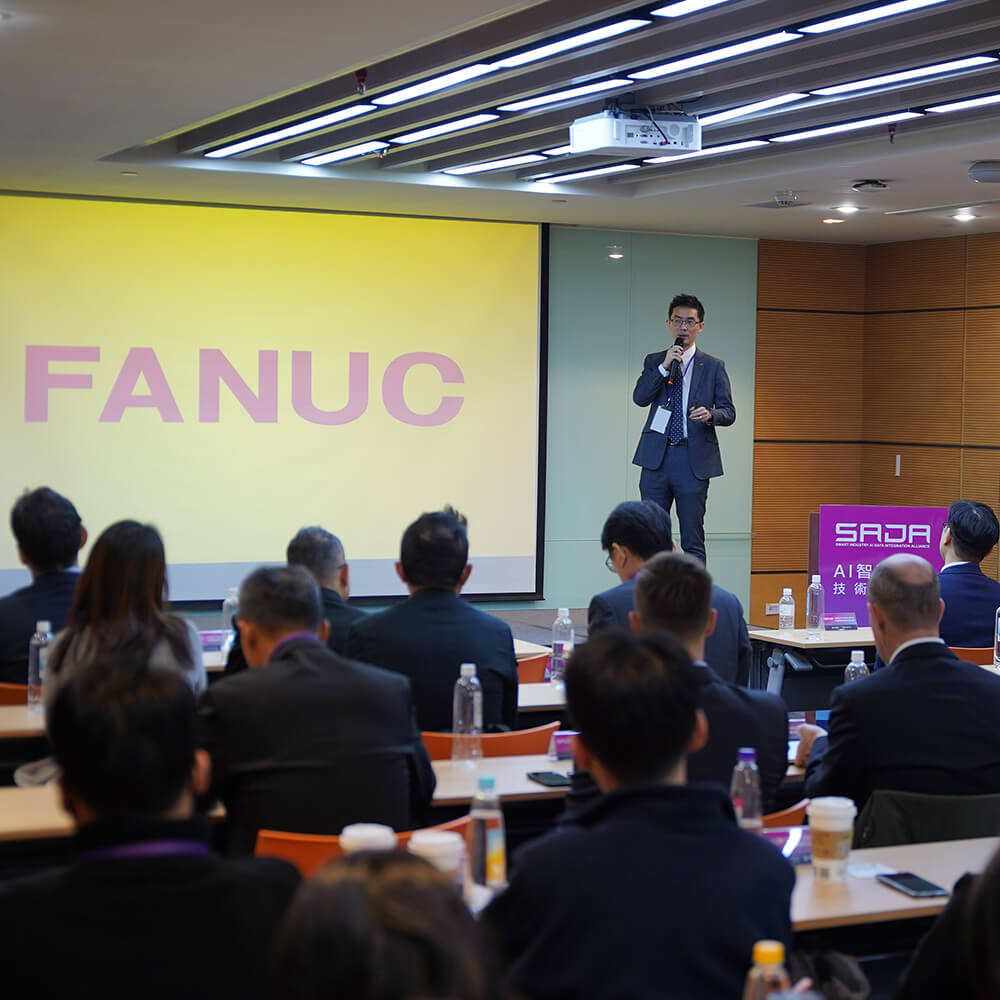
FANUC presented its latest advancements in automation and robotics, showcasing how the integration of AI and robotics enables more efficient and precise production processes. The company emphad that the future of smart manufacturing will depend on the deep convergence of AI technologies and industrial automation.
Looking Ahead: Accelerating Intelligent Transformation in Manufacturing
Taipei Computer Association (TCA) and SADA jointly stated that the success of this forum demonstrates the vast potential of AI in smart manufacturing and provides a valuable platform for collaboration among industry leaders and experts.
Participants widely agreed that AI will serve as a key driving force behind manufacturing transformation, enabling enterprises to enhance competitiveness and achieve sustainable growth.
Both organizers expressed their commitment to continuing the promotion of smart manufacturing technologies, fostering cross-industry cooperation, and advancing digital transformation through innovative AI-driven solutions — helping the manufacturing sector embrace a more intelligent and sustainable future.